⚡ The traditional electrical power grid is pushed to its absolute limits, but a radical internet-inspired architectural redesign could soon let you trade electricity directly with your closest neighbors.
Modern cities face a massive power crisis as clean energy demands overwhelm aging infrastructure. Upgrading national networks requires trillions of dollars and decades of slow construction. However, a brilliant architectural shift promises to bypass this costly bottleneck by changing how communities organize electricity.
A research team featuring Jonas Birgersson and Max Collins recently introduced a decentralized framework called EnergyNet. This system uses smart routers to manage local power distribution independently. It allows neighborhoods to share energy locally without relying on massive upstream upgrades.
🛑 The Costly Trap of Traditional Grid Expansion
- Expanding modern cities traditionally manage heavy household electrification by demanding immense extra supply capacity from centralized long-distance transmission lines.
- This conventional upstream network planning approach creates severe regional interconnection delays because new clean energy installations must wait for slow public utility reinforcements.
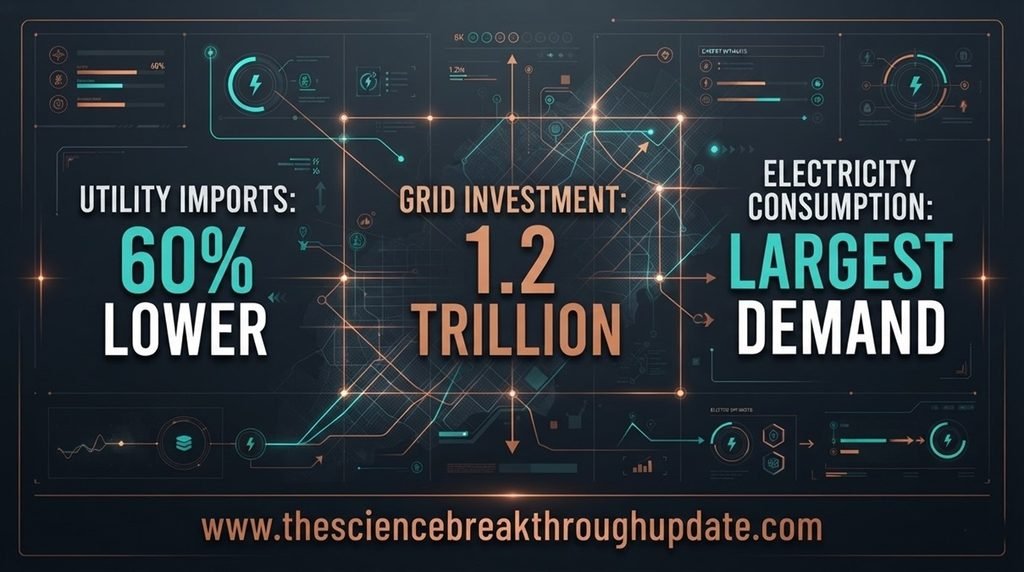
- Combined household and services electricity consumption represents the single largest demand category everywhere it is measured, spanning across multiple developed regions.
- Relying entirely on monolithic national power grids leaves critical local emergency services highly vulnerable to sudden disruptions during prolonged winter outages.
⚙️ How Smart Short Grids Decentralize Power Routing
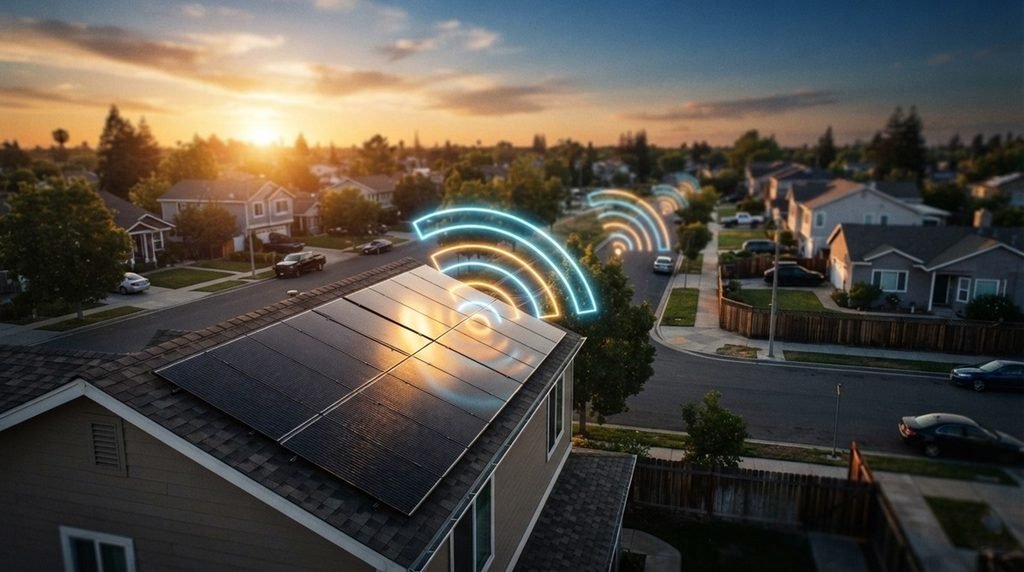
- The proposed technical architecture establishes autonomous local distribution networks called Short Grids inside individual buildings, neighborhood blocks, or university campuses.
- Property owners actively generate clean electricity locally by installing modular rooftop solar infrastructure directly behind their independent network boundaries.
- Specialized boundary hardware units called Energy Routers safely govern external electricity exchange instead of placing restrictive regulatory barriers on installed internal capacity.
- This digital routing system integrates consumer vehicle batteries through bidirectional ports to provide immediate backup flexibility under an open, shared communication protocol.
- Physical transit networks enable innovative mobility-based energy peering, allowing electric buses to transfer stored power easily between geographically separated local communities.
💰 The Trillion-Euro Economic Relief of Shared Energy
- Generating your own clean power first allows multiple independent neighborhoods to deploy decentralized systems in parallel without experiencing utility workflow delays.
- Users easily trade surplus electricity inside a secure local energy market by selling their extra generated solar power directly to neighboring properties.
- Modern system design could potentially reduce massive European distribution network investment requirements which are currently estimated to exceed 1.2 trillion euros by 2040.
- Dynamic operational simulations conducted in Sweden demonstrate that localized energy generation and sharing networks successfully lower annual utility imports by approximately 60% safely.
- Priority-based operations safeguard essential public infrastructure during extended energy shortages by automatically reducing non-critical household electricity demand factors.
My Take: This internet-like energy model realistically shifts power from massive monopolies to everyday citizens. By transforming homes and vehicles into micro-suppliers, we can finally stop building expensive grid infrastructure and maximize our clean electricity locally.
❓ Reader Doubts: Core Questions Answered
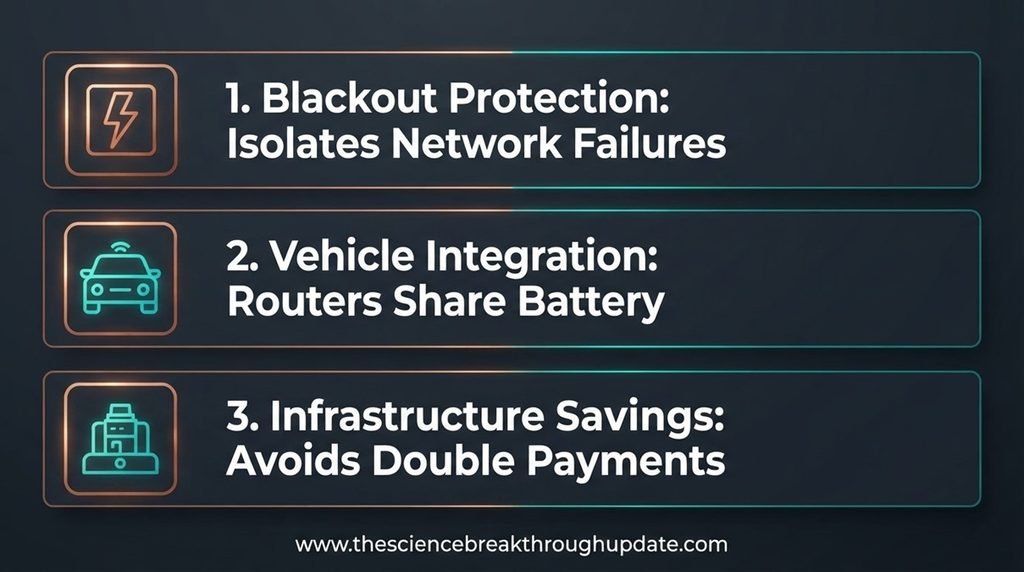
1. Can an EnergyNet system completely protect my home from unexpected blackouts?
Yes, the localized Short Grid completely isolates your community from widespread network failures. It utilizes local solar generation arrays and stored electric vehicle power to keep your critical home appliances running perfectly during extended grid outages. This structural independence guarantees continuous emergency service operations.
2. How do electric vehicles contribute to this localized neighborhood power network?
Compatible electric cars connect directly to smart digital energy routers using an open protocol. The automated system safely borrows excess battery capacity for immediate home power use without compromising your primary daily driving ranges. This sharing model establishes a highly flexible, decentralized mobile energy storage system.
3. What makes this decentralized approach cheaper than standard public utility upgrades?
It maximizes the structural efficiency of existing grid connections through intelligent local resource coordination. Neighborhoods successfully avoid paying twice for massive infrastructure reinforcements and expensive, dedicated stationary backup battery bank installations. This efficient organization dramatically downsizes long-term public infrastructure development expenses.
Source Document Link: arXiv.org
Share this useful knowledge with your friends now!”
Disclaimer: This content is for educational and informational purposes only.