🩺 Hospitals routinely use a standard medical math rule to fix high blood sugar, but new tracking data shows it completely fails when your pancreas still works.
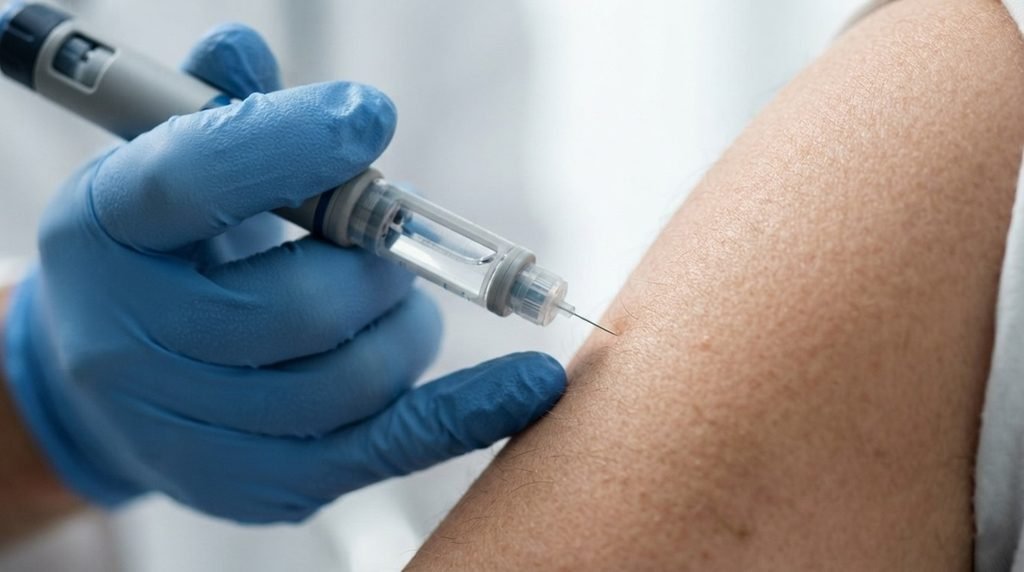
Hospitals routinely treat sudden spikes in blood sugar using a reactive clinical method called sliding-scale insulin therapy. However, expert researchers at Regev Labs discovered this standard calculation completely fails to stabilize patients who still produce their own natural insulin supply.
A new study submitted to Communications Medicine shows that doctors cannot fix this broken protocol by simply tweaking the math. The internal regulatory loop of a non-diabetic patient actively cancels out corrective injections, rendering the medical care entirely ineffective.
⚠️ Why Standard Sliding Scale Logic Fails Non-Diabetic Inpatients
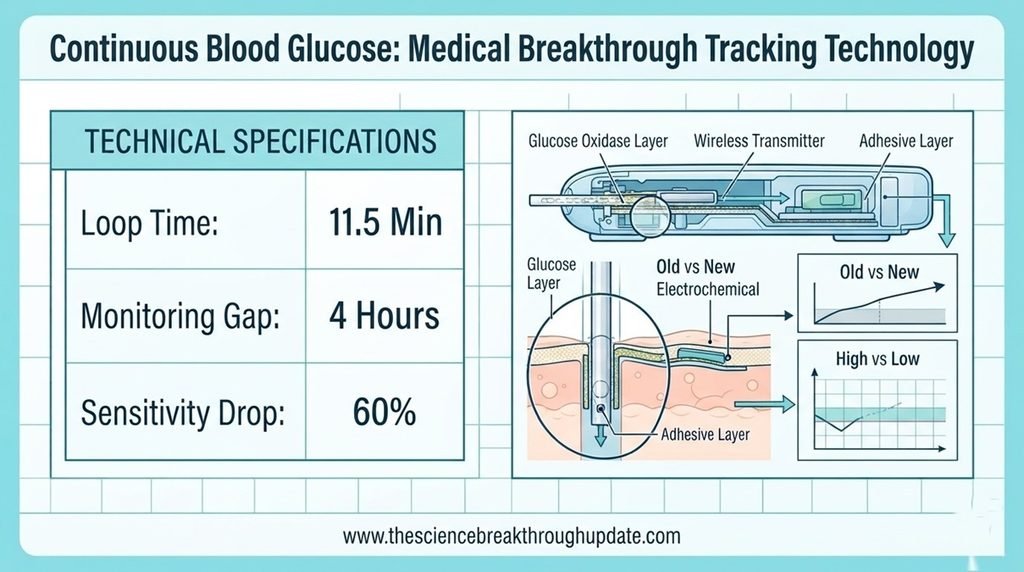
- Hospitals manage high blood sugar by checking levels every 4 hours and injecting insulin doses based on fixed proportional scale math formulas.
- This traditional reactive medical protocol originally helped patients who secreted 0% of their own natural metabolic regulating hormones.
- When applied to non-diabetic patients experiencing severe steroid-induced hyperglycemia, the working pancreas fiercely resists the sudden massive spikes of injected medicine.
- The patient’s internal biological system restores glucose changes in 11.5 minutes, which completely replaces the effect of the slow-acting injected dose.
💡 A Smarter Continuous Delivery Model for Stable Glucose Control
- Lead researchers Nir Regev and Guy Regev analyzed 4,995 virtual patients to solve this deep mathematical flaw in standard hospital care protocols.
- The clinical research team suggests completely removing reactive correction boluses and switching to a safer continuous insulin infusion method for inpatient care.
- Hospital medical staff must co-deliver this steady intravenous line alongside the patient’s dextrose nutrition bag to guarantee excellent metabolic safety profiles.
- This simple joint delivery method ensures that the corrective medication stops automatically if the intravenous sugar line gets interrupted or goes offline.
🚀 Transforming Inpatient Care and Eliminating Dangerous Blood Sugar Dips
- Shifting to a continuous treatment framework alters the daily clinical baseline by safely moving mean glucose toward optimal targeted health zones.
- This modern mathematical update completely eliminates the dangerous hidden peaks caused by 4-hour phase-locked monitoring gaps in standard ward routines.
- A daily automated adjustment rule calculates the necessary changes based entirely on the previous day’s mean collected glucose values and metrics.
- This vital structural change reduces the risk of severe hospital hypoglycemia by matching the exact rate of incoming nutritional sugar inputs perfectly.
My Take: This discovery exposes how blindly relying on legacy hospital habits can backfire. By forcing a shift toward smarter, continuous tracking, it realistically fixes a hidden danger in daily patient care.

❓ Reader Doubts: Core Questions Answered
- Why exactly does the traditional sliding scale fail for non-diabetic patients in hospital wards?
Instead of helping, the traditional sliding scale fails because a healthy pancreas regulates blood sugar far faster than injected medicine can act. The patient’s body naturally rejects the external dose, which moves the average glucose level by less than 1.5 mg/dL. Consequently, most of the injected dose simply substitutes for the patient’s own natural hormone secretion rather than adding to it. - How do medical steroids cause sudden high blood sugar spikes in these non-diabetic individuals?
High-dose corticosteroids like methylprednisolone reduce natural insulin sensitivity by up to 60% in peripheral tissues. This sudden metabolic drop triggers steep sugar spikes, even if the hospital patient has no prior history of diabetes. The patient’s working pancreas then struggles to overcome this massive drug-induced resistance without continuous clinical assistance from doctors. - What is the safest alternative to sliding-scale injections for continuous blood sugar regulation?
The safest clinical alternative is a continuous insulin drip mixed directly into the intravenous nutrition line. Doctors update this baseline infusion rate once daily using the mean sugar values calculated from the prior 24 hours. This continuous co-delivery method provides steady baseline support while automatically preventing dangerous hypoglycemia if the nutrition line stops.
Source Document Link: arXiv.org
Share this useful knowledge with your friends now!”
Disclaimer: The information on this website is for educational and informational purposes only and is not intended as medical advice. Always consult a qualified healthcare professional before making any medical decisions or changes to your treatment plan.