🧬 Doctors discovered that standard cancer therapies actually force healthy cells to mutate faster, changing survival rules inside the human body.
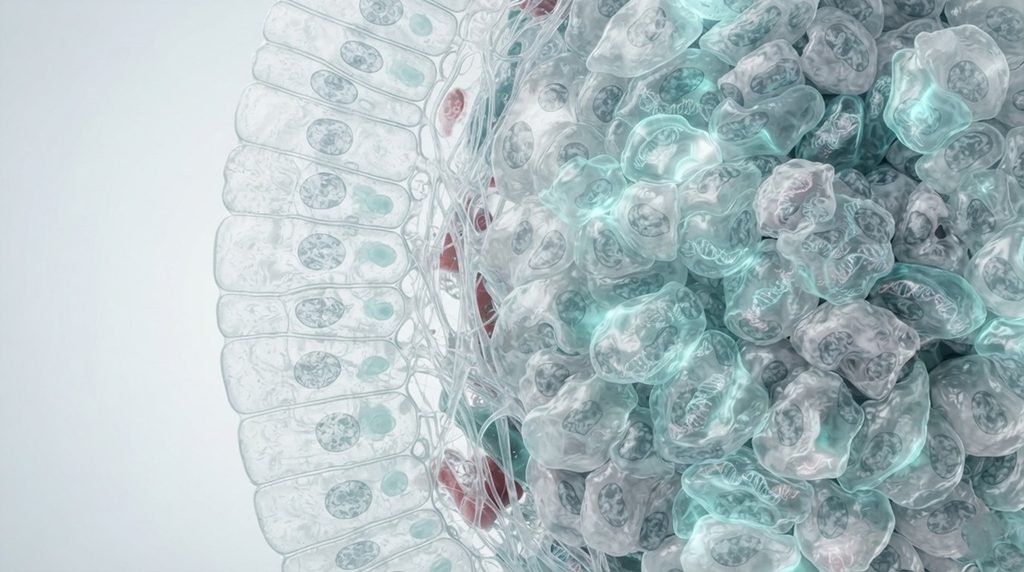
🔬 Oncology experts long believed that aggressive clinical therapies exclusively target rogue tumor blocks while sparing surrounding normal structures, but international researchers recently discovered that standard interventions disrupt the genetic architecture of healthy esophageal tissues. This unexpected biological shift creates a competitive cellular environment where pre-existing mutated cells aggressively outcompete healthy ones, potentially laying the foundation for long-term treatment resistance.
🏥 Medical teams now face a unique challenge because the very tools designed to eradicate malignant growths accidentally accelerate micro-evolutionary changes in nearby normal areas. Understanding this complex cellular mechanism allows scientists to rethink how normal tissues react during active intervention cycles, opening new pathways to improve patient care and maximize recovery outcomes.
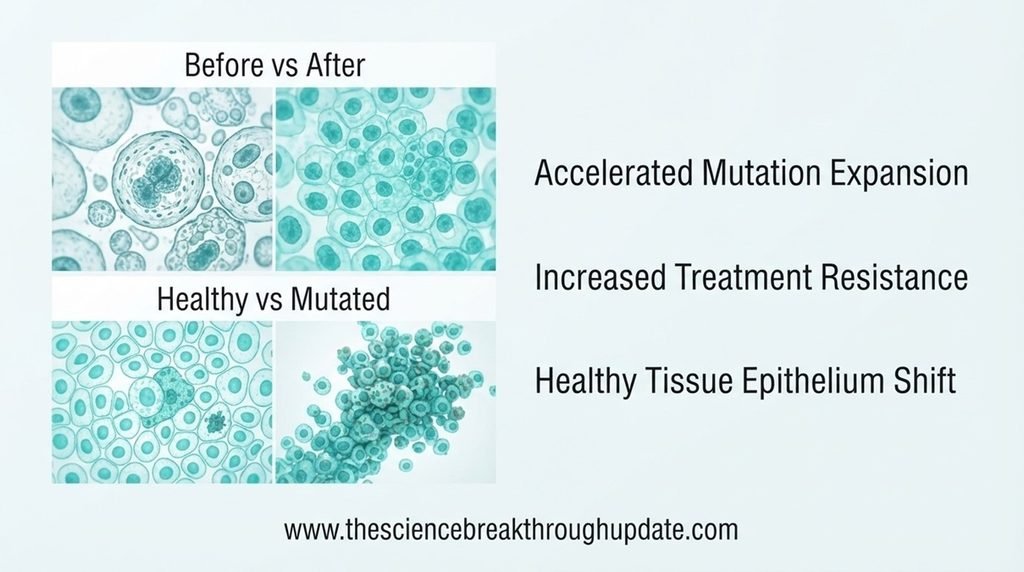
How Heavy Therapies Disrupt Normal Tissue Ecosystems
- 🛑 Clinical data confirms that running short cycles of chemotherapy or radiation before major surgery dramatically shifts the internal cellular balance inside the normal esophageal epithelium.
- 🧬 The harsh therapeutic environment acts as an artificial selection pressure that actively eliminates fragile healthy cells while allowing tougher mutated cells to survive.
- 📈 This aggressive selection process allows specific clones carrying pre-existing somatic mutations to rapidly expand and dominate areas that should contain healthy tissue.
Mapping Cellular Survival via Genetic Tracking Tools
- 💻 Specialists utilized advanced genomic sequencing tech to meticulously map the micro-evolutionary changes occurring in ordinary cells before and after clinical intervention.
- 🕒 The tracking process revealed that specific genetic mutations, which usually grow slowly over decades of normal aging, expand exponentially within weeks of starting treatment.
- 📊 By quantifying these cellular dynamics, the research team successfully identified how altered populations establish dominance across the inner linings of the esophagus.
Transforming Future Oncology Tactics and Patient Safety
- 🧪 Discovering this hidden survival mechanism helps scientists design smarter combination therapies that protect vulnerable normal tissues while still destroying localized tumors.
- 🩺 Medical professionals can now develop precise monitoring protocols to predict which individuals run a higher risk of developing therapy resistance during their recovery journey.
- ⏱️ Adjusting traditional dosage timelines based on these cellular insights will ultimately minimize long-term structural tissue damage and boost overall survival rates worldwide.
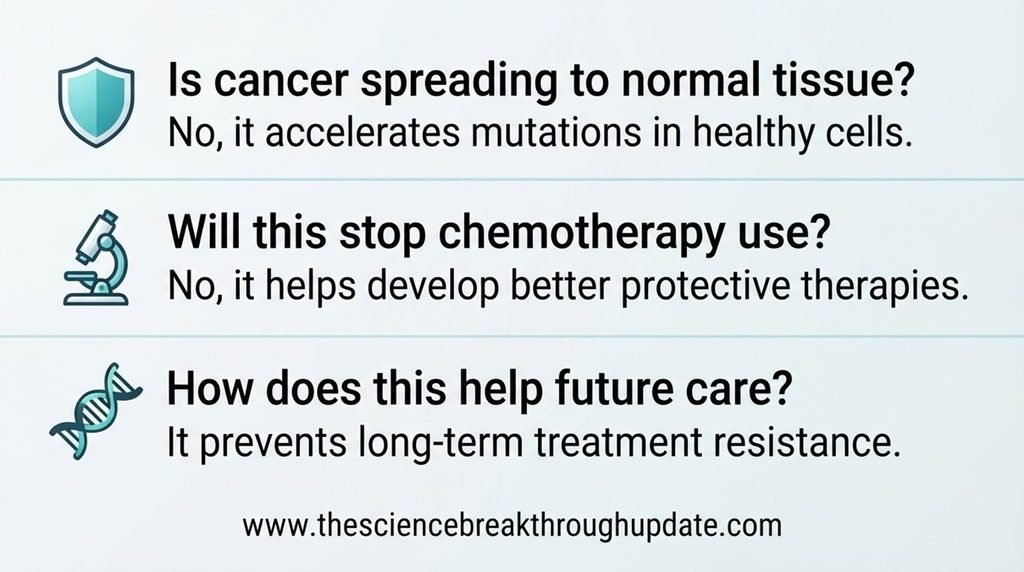
Reader Doubts: Core Questions Answered
- Do these genetic changes mean the cancer is spreading to healthy areas?
- ❌ No, these alterations occur inside the normal cells that line the esophagus, not the tumor itself. The treatment simply creates an environment where pre-existing mutated normal cells multiply faster than their unmutated counterparts.
- Will this discovery stop doctors from using chemotherapy or radiation?
- 🛡️ Absolutely not, because these treatments remain vital for eliminating active tumors before surgical removal. Instead, this insight allows researchers to develop protective measures that shield healthy tissues during standard clinical cycles.
- How will this research benefit future cancer patients?
- 🎯 This data allows medical teams to customize treatment plans and develop secondary drugs that prevent mutated normal cells from expanding. Over time, this specific approach reduces side effects and prevents the tumor from developing resistance to common therapies.
My Take: This discovery changes everything because it forces doctors to look beyond the tumor. Mapping how healthy tissues adapt helps us finally outsmart treatment resistance and build safer, personalized cancer therapies.
News source link: Nature Genetics Journal
Share this useful knowledge with your friends now!
Disclaimer: This content is for educational and informational purposes only.