⏱️ The true cost of cancer care often depends on who funds the study, but a new evaluation framework changes everything.

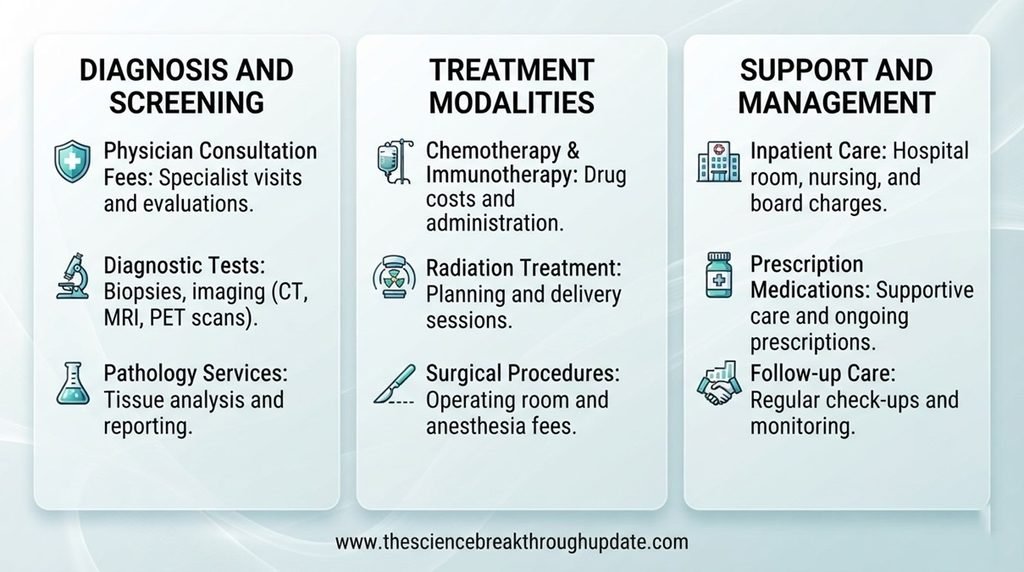
🌍 The global cancer crisis forces millions of patients to face crushing financial burdens alongside tough medical battles. Traditional clinical trials often prioritize expensive new drugs over simple, practical treatments that could save lives without draining bank accounts.
📊 Medical experts now argue that commercial drug sponsorship skews research priorities away from affordable healthcare solutions. A new global initiative seeks to fund independent academic trials that focus entirely on patient well-being and sustainable healthcare systems.
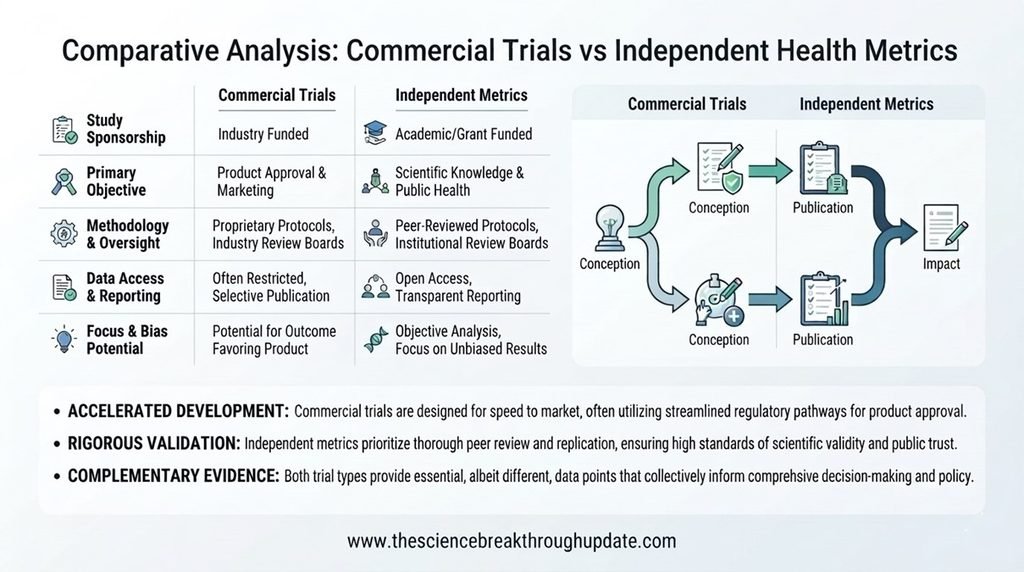
The Hidden Financial Strain of Modern Oncology
- 💸 Major commercial clinical trials frequently ignore affordable treatment modifications like lower drug dosages or shorter therapy durations.
- 🏥 This corporate research bias leaves healthcare systems worldwide struggling to afford essential oncology medications for vulnerable populations.
- 📉 Patients often receive overly aggressive treatments that maximize corporate profits rather than improving overall quality of life.
The Structural Flaws in Global Clinical Trials
- 🛑 Commercial entities routinely suppress data regarding low-cost alternative therapies to maintain high market prices for patented molecules.
- 🏢 Public hospitals spend disproportionate amounts of their annual budgets on branded cancer treatments with marginal survival advantages.
- 📈 Insurance companies pass these massive pharmaceutical expenses directly onto families through surging monthly premium rates.
Introducing the Value Cube Framework
A New Toolkit for Transparent Medical Evaluation
- 🇨🇭 The European Society for Medical Oncology developed the Value Cube to measure the true clinical benefit of cancer therapies.
- 📋 This open-access tool evaluates treatments based on real-world patient outcomes, toxic side effects, and overall financial costs.
- 🔍 Independent researchers use this data to identify cost-effective medical strategies that commercial sponsors typically refuse to fund.
Restoring Balance to Academic Healthcare Research
- 🎓 Public institutions can now design clinical protocols that put patient survival metrics ahead of corporate financial returns.
- ⚖️ Medical boards use the framework to compare separate treatments objectively based on verifiable clinical data rather than marketing claims.
- 📐 The system allows doctors to tailor individual therapies by analyzing side-effect severity scales against drug pricing structures.
The Global Impact on Patients and Healthcare Systems
- 🧪 Shifting research funding toward academic institutions allows doctors to discover safer, cheaper treatment alternatives for common cancers.
- 💰 Hospital networks can optimize their medical budgets by eliminating overpriced pharmaceutical products that offer minimal survival benefits.
- 🛡️ This systemic change ultimately protects families from bankruptcy caused by medical debt while maintaining high healthcare standards.
Enabling Fair Competition in the Pharmaceutical Market
- 🔬 Transparent evaluation tools force large manufacturing corporations to justify their high prices using verifiable therapeutic data.
- 🌐 Regional health ministries can negotiate better drug price points by referencing independent academic survival statistics.
- 🚀 The widespread adoption of objective metrics helps generic drug manufacturers introduce affordable biosimilar treatments to the public much faster.
Frequently Asked Questions
1. How does the Value Cube help regular cancer patients?
🛡️ The tool helps doctors identify which treatments offer genuine survival benefits versus those that merely carry high price tags. This ensures you receive effective care without undergoing unnecessary, expensive, or toxic procedures.
2. Why do independent academic trials matter for healthcare?
🔬 Commercial companies only fund trials that lead to patentable, profitable new drugs. Independent academic trials investigate simple changes, like reducing pill frequencies, which lower costs for everyone.
3. Will this framework lower the quality of cancer treatments?
✅ No, it actually improves treatment quality by focusing heavily on reducing harmful side effects and tracking real patient satisfaction. Doctors use objective data to pick the safest and most efficient path to recovery.
My Take: Stripping corporate bias from clinical trials is long overdue. This framework finally forces the medical industry to prioritize human survival and patient bank accounts over pharmaceutical profit margins.
News source link: Nature Medicine.
Share this useful knowledge with your friends now!
Disclaimer: This content is for educational and informational purposes only.