

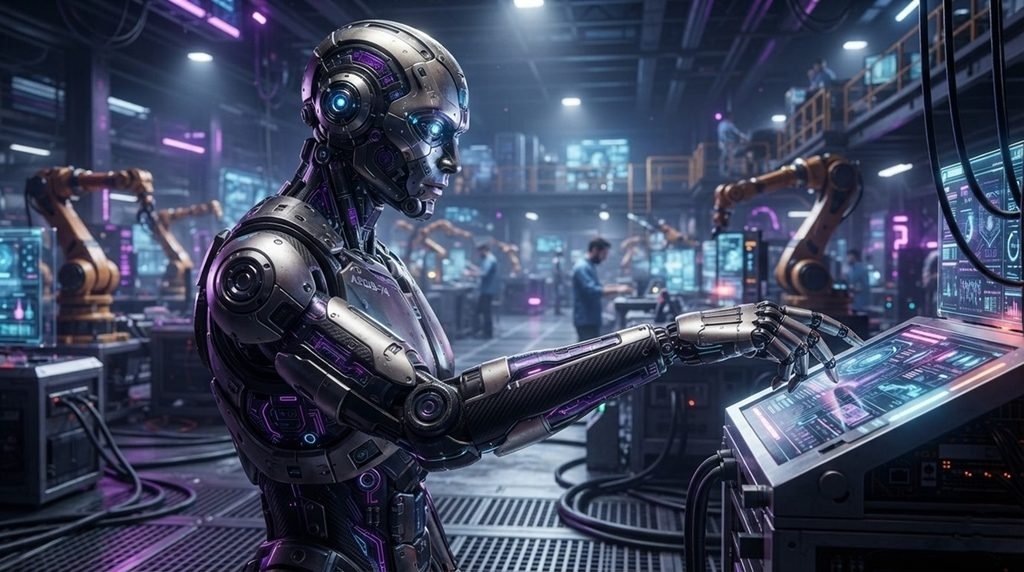
Can physical AI finally bridge the gap between digital brains and physical bodies? A new humanoid robot shows how advanced machines learn to dance, walk, and work independently.
🌐 The field of robotics is entering a new era where artificial intelligence steps out of the screen. Engineers are building machines that do not just process data but actually interact with the complex physical world. By combining tactile sensors with intelligent actuators, researchers are opening the door for autonomous machines to work alongside humans in factories and homes.
The Data Gap in Humanoid Robotics
- 🛑 Current robotic systems fail to adapt to unpredictable real-world environments because traditional AI models lack a physical body to understand spatial constraints.
- 📉 Gathering high-quality physical interaction data remains incredibly slow, which leaves modern humanoids stuck in laboratory settings rather than performing actual factory work.
- 🥚 Most machines struggle with fragile objects because they lack tactile sensing capabilities on their hands, feet, and torsos to calculate real-time contact.
Embodied Intelligence and the Open Data Factory
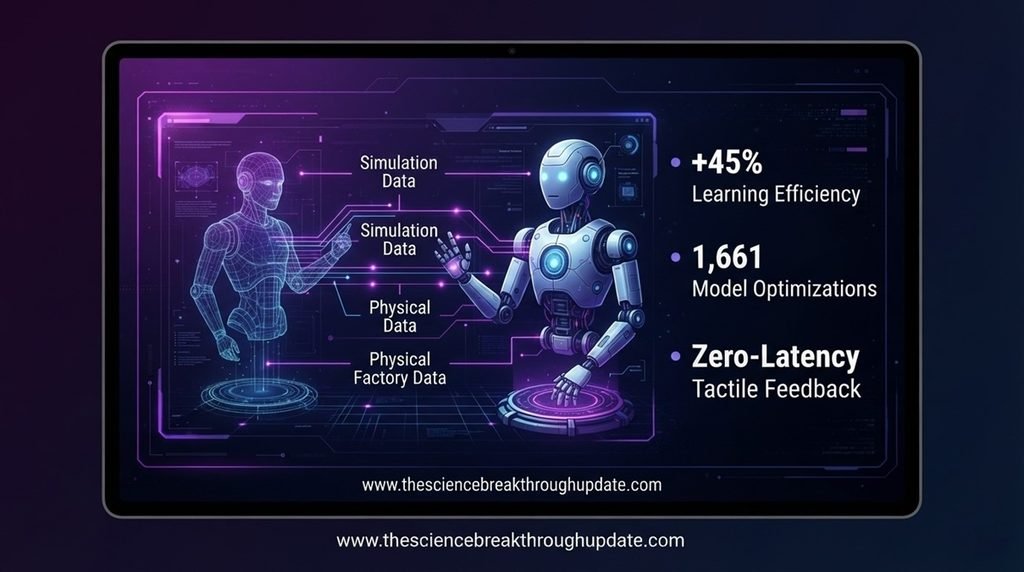
- 🤖 The Korea Institute of Machinery and Materials (KIMM) developed an advanced humanoid platform named KAIROS to bridge the simulation-to-reality gap.
- 🛠️ Engineers equipped this platform with visual sensors, custom precision reducers, and large-area tactile coatings to let the machine detect environmental contact.
- 📊 To solve the data scarcity issue, researchers are building a massive open data factory where dozens of humanoids constantly run tasks to generate machine-learning data.
Transforming the Future of Labor
- 🏭 The introduction of autonomous physical AI will alleviate severe labor shortages across global manufacturing lines, logistics centers, and agricultural sectors.
- 🛡️ Deploying these sensor-rich humanoids into hazardous environments like shipyards and disaster zones will protect human workers from life-threatening operational injuries.
- 🏠 This scalable infrastructure lays the groundwork for mass-produced, cost-effective intelligent machines capable of performing complex household chores and caregiving services.
Frequently Asked Questions
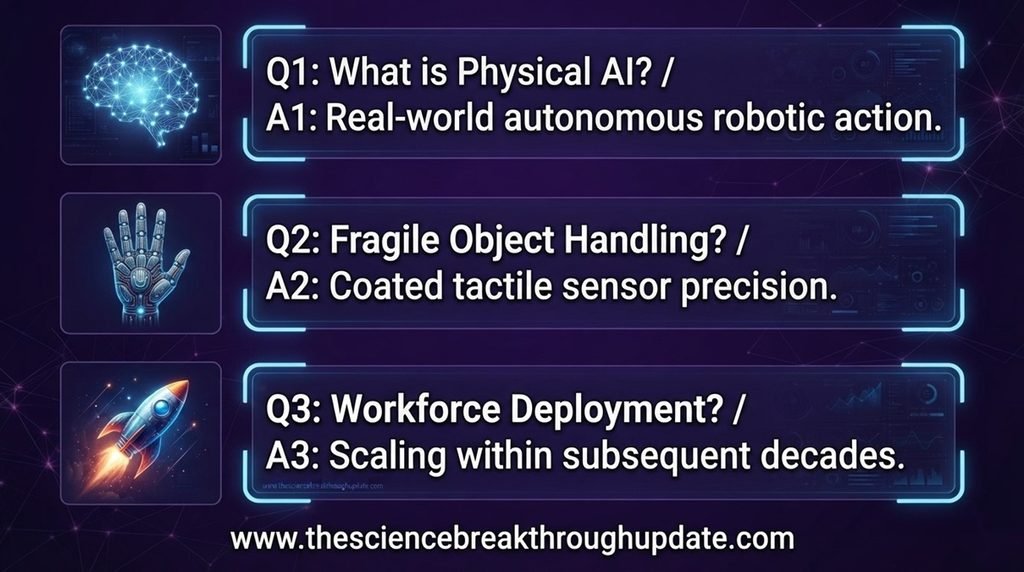
1) What exactly is physical AI in robotics?
🧠 Physical AI refers to systems where artificial intelligence interacts directly with the physical world through a robotic body. Unlike digital chatbots, these machines perceive, judge, and execute physical actions in real time.
2) How does the robot handle fragile objects?
🖐️ The robot utilizes specialized tactile sensors and advanced skin materials coated across its hands. This allows the platform to detect exact contact pressure and manipulate delicate items without breaking them.
3) When will these humanoids enter the workforce?
🚀 Development roadmaps aim to secure advanced locomotion within a few years. Full deployment on automobile assembly lines and in domestic environments is targeted for subsequent decades.
My Take:This open data approach solves the single biggest bottleneck in robotics. By forcing machines to learn from actual physical failures, we will finally see useful humanoids leave laboratories and enter real factory floors.
News source link: EurekAlert KIMM Release
Share this useful knowledge with your friends now!
Disclaimer: This content is for educational and informational purposes only.



