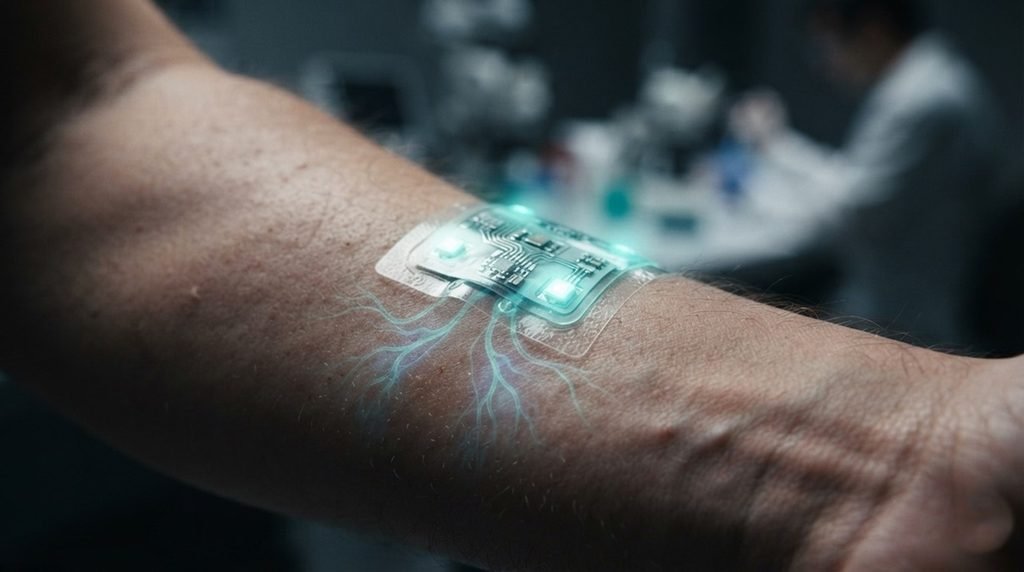
🩸 Scientists built an AI twin of the human body that accurately predicts blood sugar spikes before they happen.
Managing glucose levels requires constant calculations and intense daily stress for millions of individuals living with complex chronic metabolic conditions. Traditional medical tracking tools typically rely on generalized formulas that fail to adapt to how your unique body handles everyday food and insulin choices.
Now, a brilliant approach using AI digital twins builds a precise virtual clone of your personal metabolism to forecast blood sugar spikes before they happen. This personalized technology eliminates dangerous real-world guesswork, allowing patients to live with a brand new sense of confidence.
⚠️ Why current diabetes tracking tools fail during active daytime hours
- Standard automated insulin delivery setups perform flawlessly overnight but struggle severely during active daytime hours due to completely unpredictable dietary habits and physical exercises.
- Generalized physiological models often completely overlook critical individual lifestyle variations alongside the fast-shifting metabolic responses unique to different human bodies.
- Healthcare professionals frequently lack clear diagnostic ways to capture how specific medications and sudden physical activities alter blood sugar stability over short intervals.
- Miscalculating daily food intake or insulin doses creates a continuous psychological and physical burden of dangerous spikes and unexpected glucose crashes for patients.
🧬 Building a flawless virtual replica of your personal metabolism
- Lead researcher Clara Escorihuela-Altaba from the University of Bern successfully developed a personalized mathematical strategy to clone complex human metabolic behavior.
- The research team utilized the advanced Hovorka glucoregulatory model to measure exactly how insulin transport and carbohydrate absorption fluctuate throughout a standard day.
- By analyzing extensive patient profiles from the comprehensive T1DEXI dataset, the algorithm dynamically ranks specific parameters that dictate unique biological reactions.
- This smart predictive system maps individual insulin sensitivity and plasma clearance to simulate exact glucose shifts inside a real-time digital twin.
📈 The massive real world benefits for modern patient care
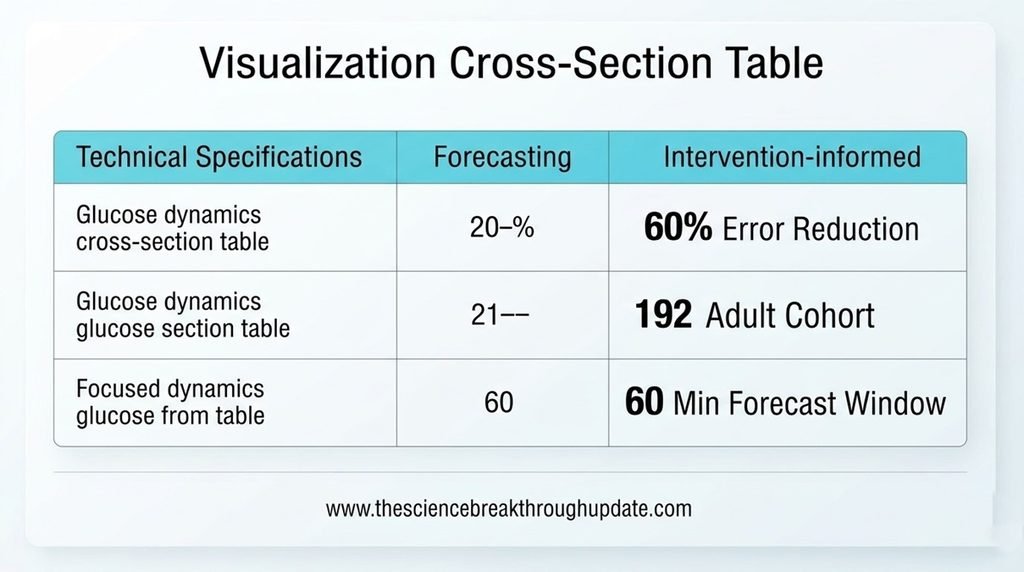
- Restricting complex calculations to a specific subset of highly influential parameters reduced patient predictive errors by a staggering 60% during test trials.
- The personalized system successfully maintains extreme tracking accuracy across a 60 minute forecasting window when future meal plans remain entirely unknown.
- This computational breakthrough drastically lowers the overall processing power required for medical devices, speeding up on-the-go therapy adjustments for global users.
- Combining deeper physiological insight with data-driven modeling provides healthcare teams with highly reliable blueprints to personalize daily insulin recommendations safely.
My Take: This digital twin tech strips away the exhausting daily guesswork for diabetes patients. By shifting from broad averages to exact biological clones, medicine finally becomes truly personal and proactive.
❓ Reader Doubts: Core Questions Answered
- How exactly does a digital twin assist in managing diabetes?
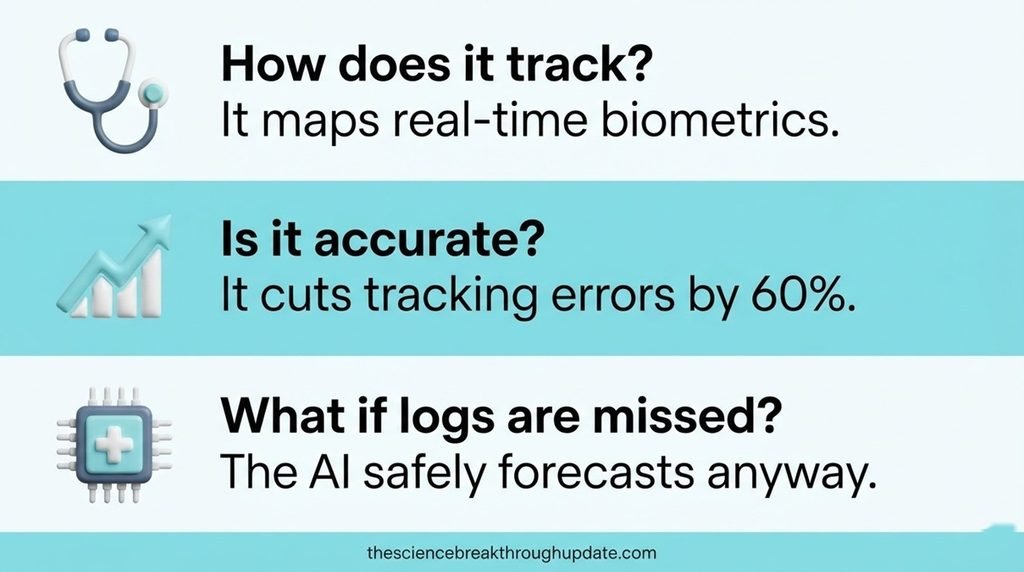
A digital twin acts as a highly personalized virtual replica of an individual patient’s unique metabolic system. By processing real-time continuous glucose data, the digital model simulates complex biological reactions to food intake and insulin delivery. This allows the system to accurately predict potential blood sugar spikes before they physically manifest, giving patients a highly proactive treatment strategy. - What makes this new approach from the University of Bern different from older tracking models?
Older tracking software usually relies on generalized population averages that completely fail to account for unique internal insulin absorption rates. The research team solved this by establishing a global parameter ranking system based on comprehensive clinical data from 192 adult participants. This strategy prioritizes the most critical metabolic factors, cutting overall processing time while boosting prediction accuracy by 60%. - Can this predictive technology work if a patient forgets to log a meal or an insulin dose?
The system is explicitly engineered to handle unpredicted real-world disruptions through an advanced forecasting mode. Even when future carbohydrate consumption or immediate insulin doses are completely unknown to the device, the model uses current physiological states to maintain rigorous tracking. This ensures extremely reliable monitoring when busy personal schedules cause individuals to miss logging their daily details.
Source Document Link: arXiv.org
Share this useful knowledge with your friends now!”
Disclaimer: The information on this website is for educational and informational purposes only and is not intended as medical advice. Always consult a qualified healthcare professional before making any medical decisions or changes to your treatment plan.