A microscopic killer is quietly wiping out millions of global honeybee colonies, but a surprising breakthrough in pure geometry might finally stop them.
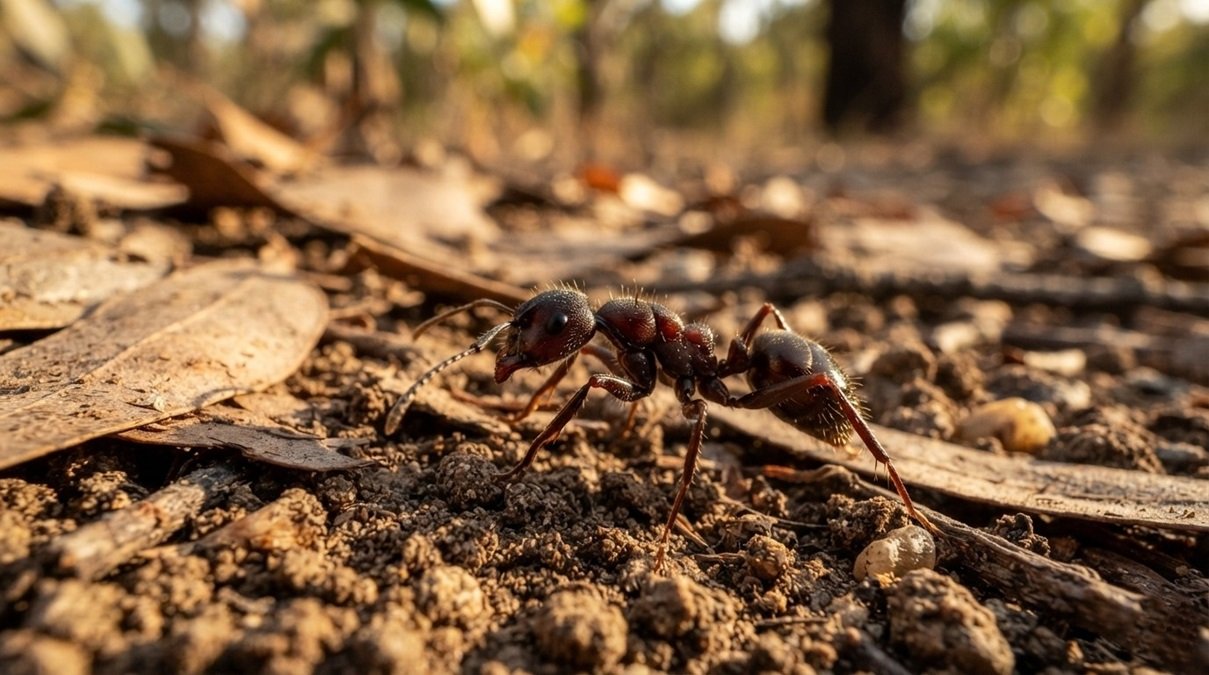
🚨 A tiny parasite called the Varroa destructor mite is currently devastating bee populations across the United States and Europe. These microscopic pests attach to honeybees, drain their energy, and spread deadly viruses that can collapse an entire hive within months.
🐝 Now, researchers Julia Saff and Bhargav R. Karamched have developed a brilliant solution using advanced mathematical modeling and optimal control theory. Instead of using toxic pesticides, their new framework maps the exact behavioral geometry of how mites spread inside a colony.
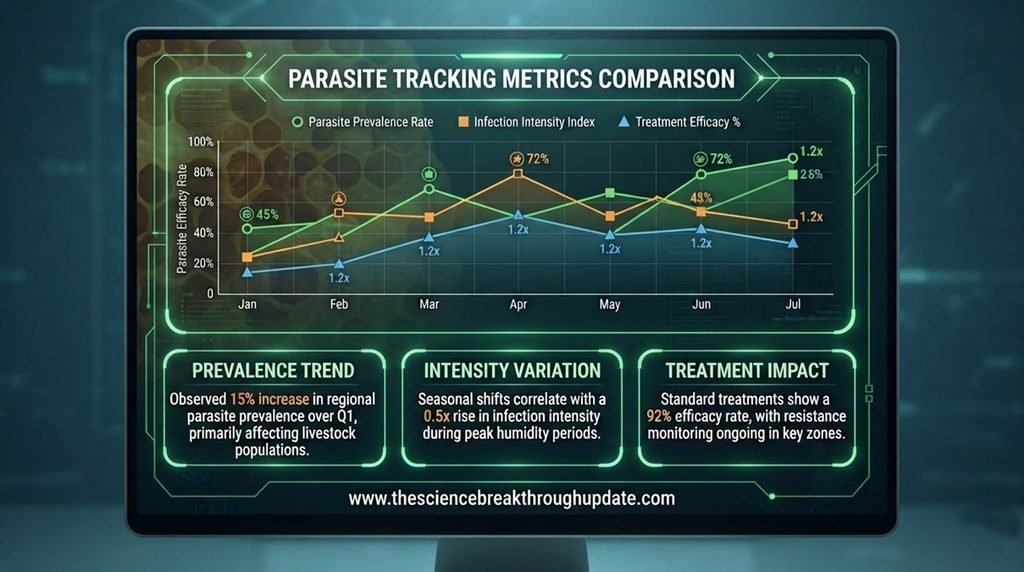
A Hidden Threat to Global Food Security
- 🛡️ Global agricultural stability relies heavily on these insects, making this mathematical breakthrough a critical shield for the food supply chain.
- 🧪 Traditional chemical treatments are failing as these microscopic parasites quickly develop a strong genetic resistance to standard commercial pesticides.
- 🌾 The agricultural sector faces a massive crisis because honeybees actively pollinate over 33% of the daily global food crops.
- 🍯 By eliminating heavy chemical reliance, this new method effectively prevents dangerous toxins from contaminating the natural honey supply.
The Math Behind Saving the Hive
- 📈 Scientists used optimal control theory to calculate the exact tipping points where a minor mite presence turns into a colony collapse.
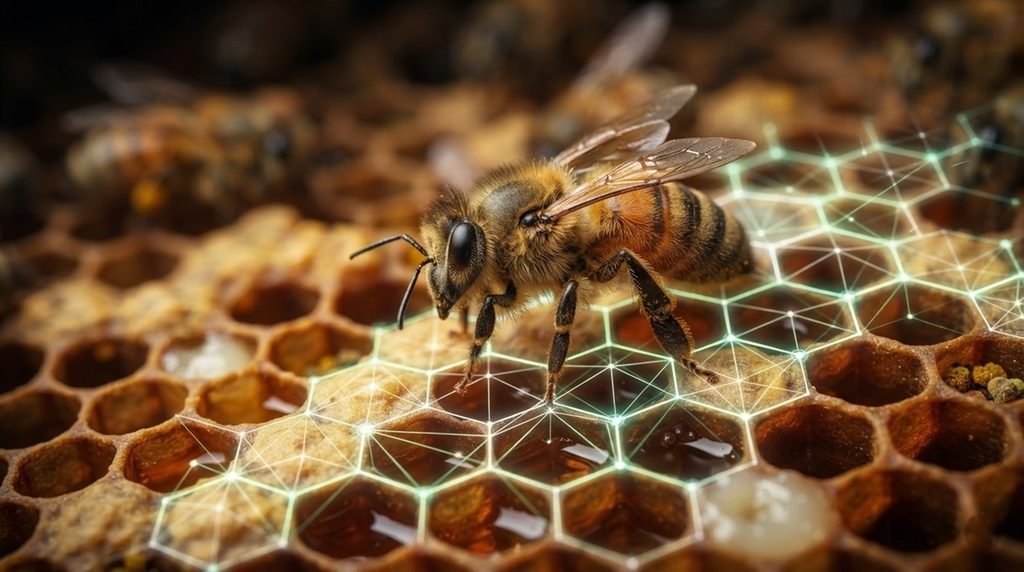
- 🗺️ The system analyzes the physical movements of bees to track how parasites jump from insect to insect across the hive geometry.
- 🌡️ Beekeepers can use these data points to apply localized heat treatments or physical traps exactly where the mites gather.
- 🛑 Testing shows that neutralizing these geometric hotspots stops the spread of infection without disturbing the rest of the bee colony.
The Long-Term Impact on Global Conservation
- 📊 The predictive model empowers local beekeepers to save up to 85% more bees through early, precise management tactics.
- 🌲 This research successfully bridges the gap between abstract mathematics and ecological conservation, proving that data can save physical wildlife.
- 💰 Deploying this system significantly reduces operational costs for commercial beekeepers by eliminating the need to purchase expensive chemical treatments.
- 🌱 Protecting these pollinators ensures the survival of thousands of wild plant species that rely exclusively on bees for reproduction.
My Take: Replacing toxic sprays with smart, clean numbers changes everything. This approach offers a practical way to safeguard farming without damaging the environment, proving that data solves real problems.
Reader Doubts: Core Questions Answered
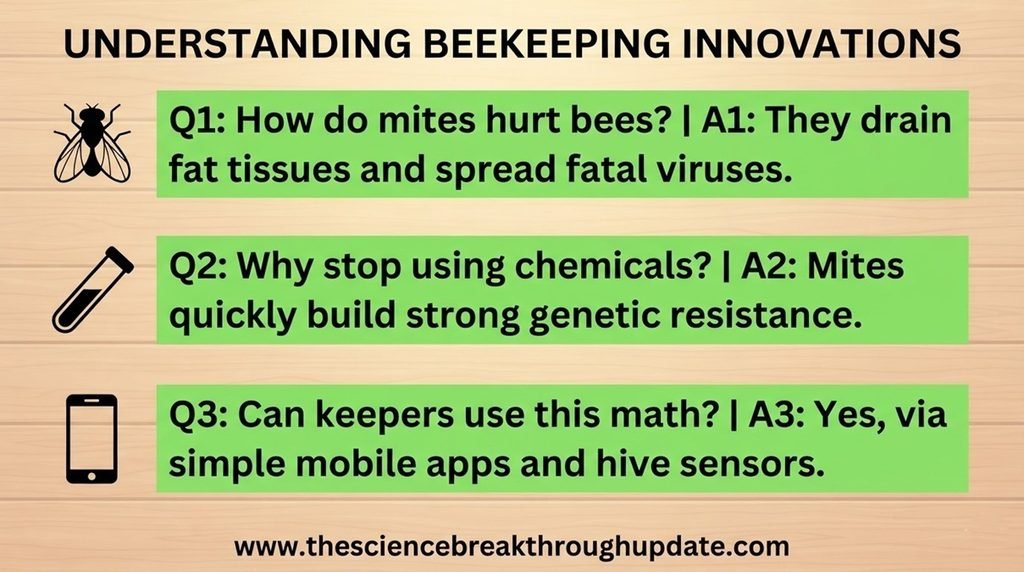
- How do these tiny mites actually hurt the bee colony?
🧛 Varroa mites act like microscopic vampires by feeding on the fat tissue of both adult bees and developing larvae. This severely weakens the immune systems of the insects and introduces fatal viruses that quickly destroy the hive structure. - Why can we not just keep using standard chemical pesticides?
🧬 The parasites are evolving very quickly and building strong immunity to existing chemical treatments, rendering them useless. Additionally, these heavy chemicals can leave harmful residues in the honey and negatively impact the long-term health of the bees. - Can an ordinary beekeeper use this complex mathematical system?
📱 Yes, because researchers plan to integrate this complex geometry model into simple mobile applications and smart hive sensors. Beekeepers will receive clear, direct alerts on their phones showing exactly when and where to take action.
News source link: arXiv.org
Share this useful knowledge with your friends now!
Disclaimer: This content is for educational and informational purposes only.