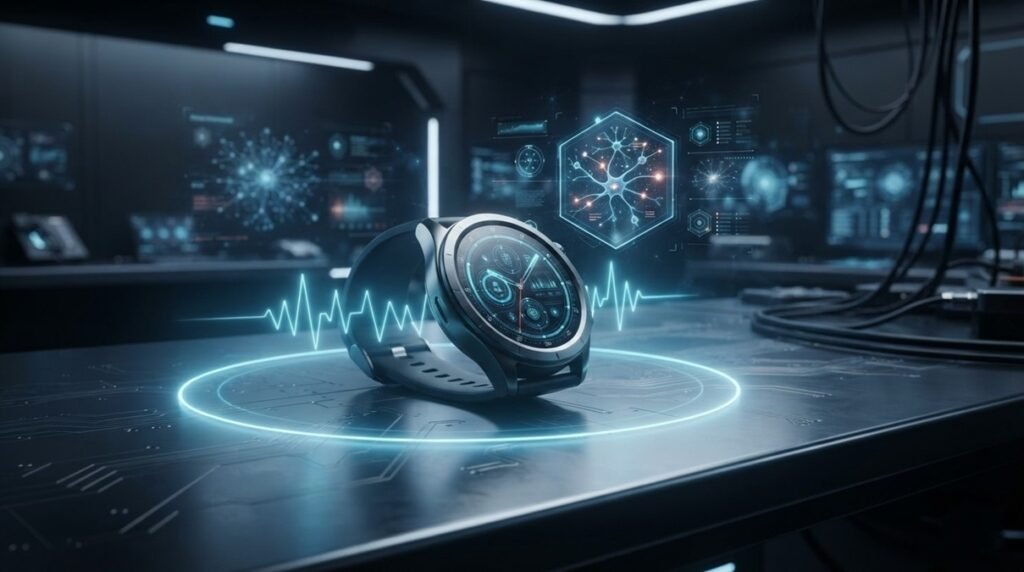
Your smartwatch might soon use your heartbeat as a completely unhackable digital password.
💡 Modern smartwatches track everything from steps to sleep, but traditional biometric security systems still struggle to keep your private data safe. Hackers can easily clone numeric pins, duplicate fingerprints, and bypass standard facial recognition software using advanced artificial intelligence tools.
🛡️ A team of French scientists from Aix-Marseille University solved this critical security flaw by developing a smart system called ECG Biometrics. Their new framework tracks the unique electrical pathways of your heart through a specialized network that filters out heavy physical distortion.
Why Current Wearable Security Fails at the Gym
- 🏃 Standard wearable sensors fail to identify users accurately during intense exercise because rapid heart rates introduce heavy signal noise.
- 🔒 Traditional biometric tools like fingerprints and facial scans remain highly vulnerable to digital spoofing and sophisticated hacking attempts.
- 🛑 Existing heart-monitoring security systems require users to remain completely still, making continuous authentication impossible during daily movement.
- 📱 Passwords and static pins are easily stolen through shoulder surfing or targeted malware attacks on mobile devices.
How Scientists Turned Heartbeats Into Unhackable Keys
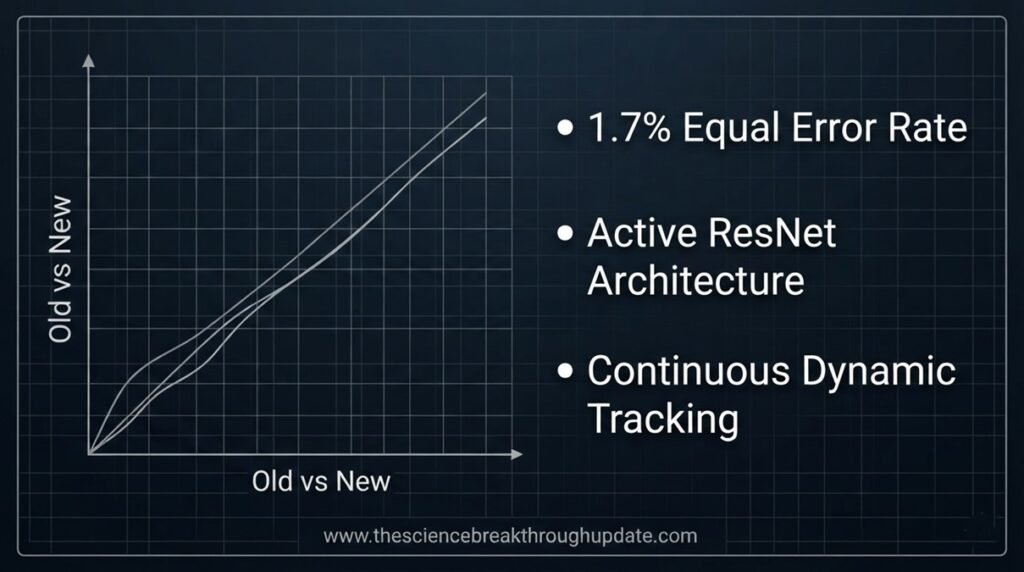
- 🧠 The research team trained a specialized deep learning model using Siamese ResNet architectures to isolate unique cardiac signatures.
- 📉 This system cleans up raw electrocardiogram data by separating exercise-induced noise from the user’s permanent underlying heart geometry.
- 🎯 The algorithm successfully verified identities across intense workouts, achieving an impressive 1.7% equal error rate.
- 🔄 The software adapts dynamically to your changing heart rhythms, keeping the digital lock active without requiring manual password inputs.
The Future of Frictionless Digital Privacy
- ⌚ Smartwatches will soon lock automatically the exact moment you take them off, preventing unauthorized data access completely.
- 💳 Consumers can securely authorize digital payments and unlock smart homes simply by maintaining a normal resting heart rate.
- 🔑 This innovation removes the frustrating need to memorize dozens of complex alphanumeric passwords for different mobile applications.
- 🛡️ Next-generation fitness trackers will combine health monitoring with military-grade security to protect sensitive personal enterprise data.
My Take: Biometric locks always felt rigid and prone to clever spoofing. Replacing vulnerable pins with our actual living biology finally delivers the seamless, continuous privacy that mobile consumers desperately need.
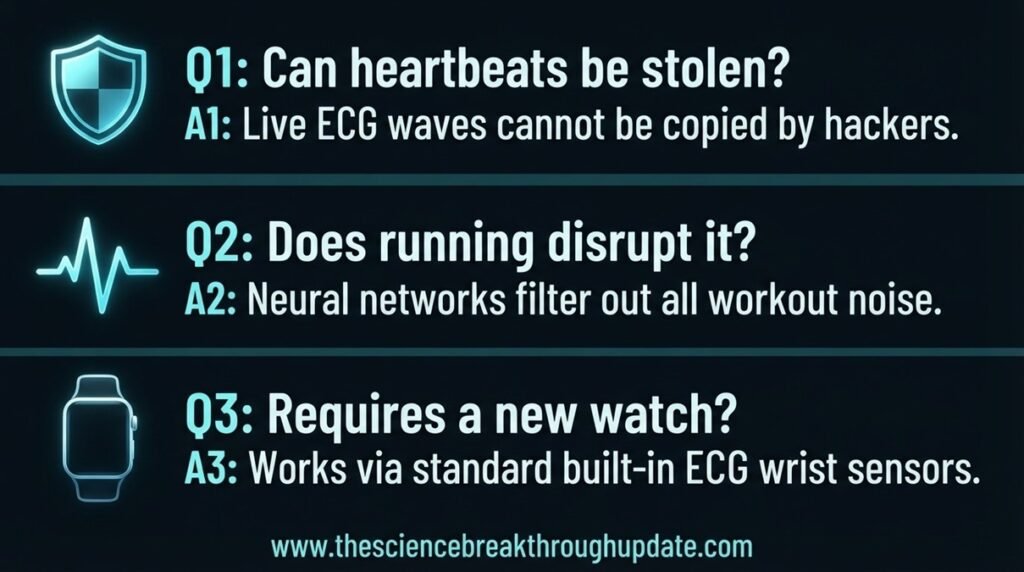
Reader Doubts: Core Questions Answered
1. Can a hacker steal or copy my heartbeat pattern?
❌ No, your electrocardiogram pathway is determined by the physical shape of your heart and chest. Live electrical signals make it impossible to spoof with a static recording.
2. Will the system lock me out if my heart rate spikes during a run?
⚙️ The AI framework is trained specifically to recognize your unique cardiac signature at various speeds. It filters out the noise caused by heavy breathing and rapid motion.
3. Does this technology require a new type of smartwatch sensor?
📲 Most modern smartwatches already feature standard electrocardiogram sensors built into the digital crown or casing. This new security feature relies entirely on advanced software updates.
News source link: arXiv.org
Share this useful knowledge with your friends now!”
Disclaimer: This content is for educational and informational purposes only.