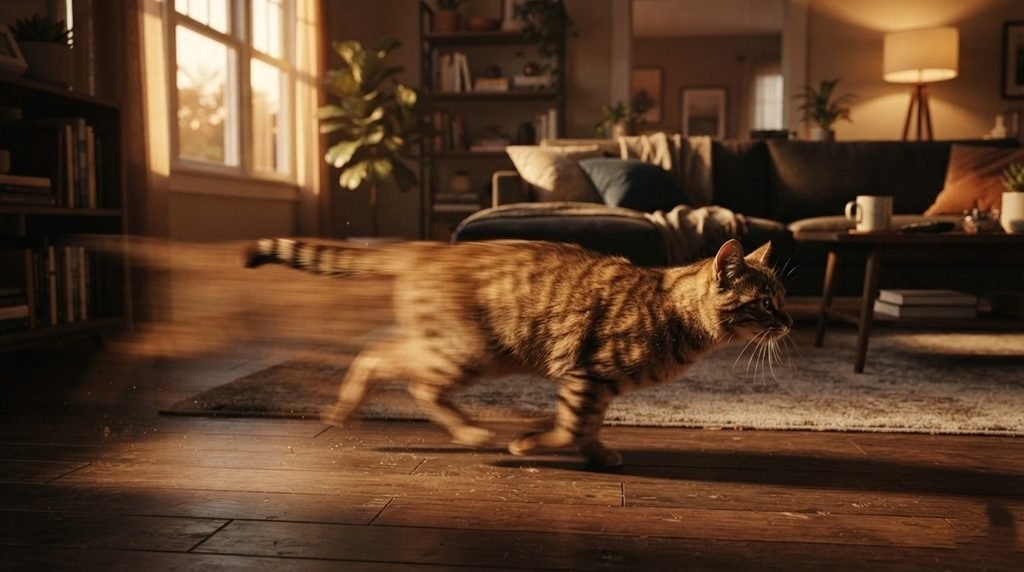
Why does a perfectly calm cat suddenly sprint across the room like a wild animal?
🐱 Every pet parent knows the chaotic phenomenon of late-night feline zoomies. A sleeping cat suddenly transforms into a furry lightning bolt, racing up walls and leaping over furniture without any warning. While many owners laugh off this bizarre midnight madness, scientists are now stepping inside the living room to decode the hidden physics behind this universal pet behavior.
🔬 A new research paper finally cracks the code using advanced mathematical equations to map out domestic pet patterns. Researchers Manuel Eduardo Hernández-García and Monica S. López-Castaños looked past the chaos to study how localized environments impact everyday feline energy levels. Their findings reveal that these erratic sprints are actually a highly organized physical release mechanism required for healthy animals.
The Internal Build-Up of Unused Feline Energy
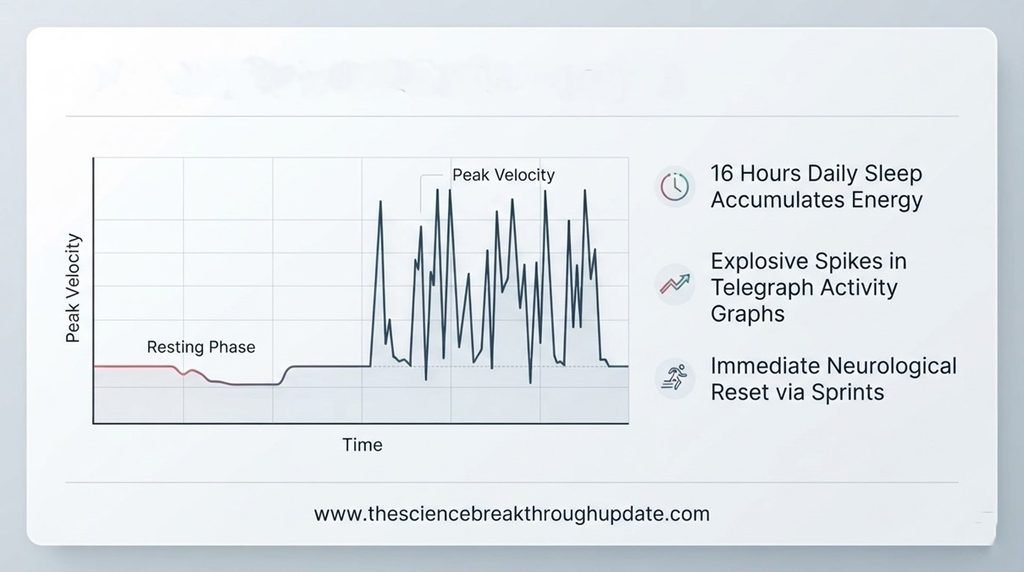
- 💤 Domestic cats accumulate massive amounts of pent-up physical energy while sleeping for up to 16 hours a day.
- 🏠 Indoor environments lack natural predatory outlets, causing this internal physical tension to reach a critical feline breaking point.
- ⚡ The sudden explosion of chaotic movement reflects a biological need to discharge this trapped environmental stress instantly.
- 🏃 Pent-up stamina requires immediate expulsion because confined home spaces limit the natural outdoor roaming boundaries of active predators.
How Scientists Calculated the Midnight Sprint
- 📊 Researchers tracked the animals by applying a mathematical framework called Telegraph Processes with Extrinsic Fluctuations to monitor physical activity.
- 📈 The scientific model proves that external environmental triggers create sharp, unpredictable burst dynamics in daily movement graphs.
- 🧠 Felines utilize these rapid, high-speed intervals to naturally balance their neurological systems and release accumulated physical pressure.
- 🎛️ Fluctuations in the domestic household environment directly influence the frequency and timing of these sudden explosive velocity shifts.
Why Zoomies Mean Your Pet Is Thriving
- ❤️ Short bursts of intense running provide essential cardiovascular exercise that keeps indoor predators in peak physical condition.
- 🦁 Sprinting mimics the natural hunting patterns of wild ancestors, which satisfies deep-rooted feline survival instincts.
- 🤝 Recognizing these patterns helps owners optimize play routines, ensuring happier indoor environments and healthier pet relationships.
- 🐾 Regular energy releases prevent long-term behavioral issues like aggressive scratching or unexpected daytime biting incidents inside homes.
My Take: This mathematical framework beautifully morphs unpredictable pet chaos into readable science, proving that advanced statistics can realistically decode the charming, raw mysteries hidden inside our ordinary living rooms.
Reader Doubts: Core Questions Answered
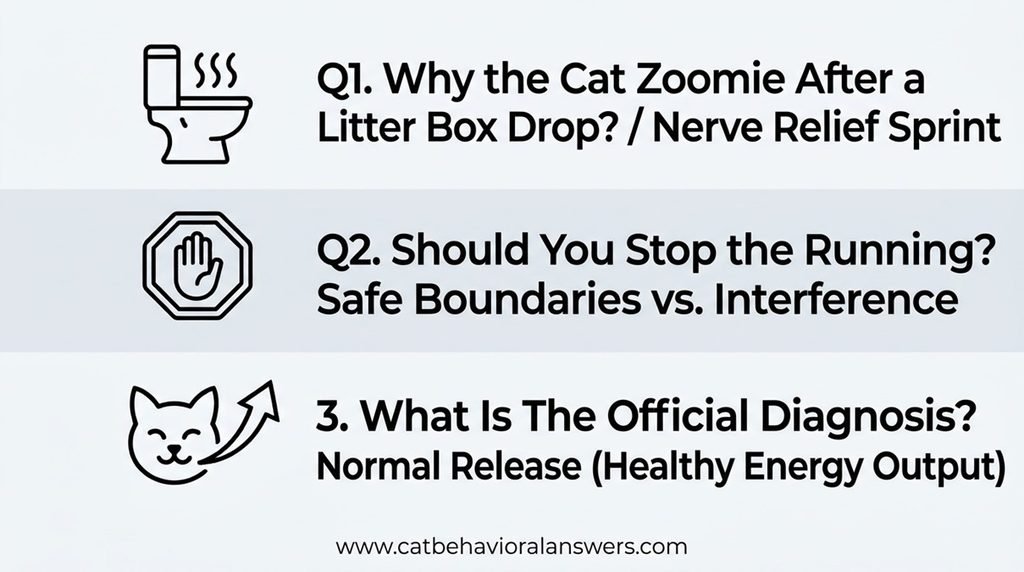
- Why do felines suddenly sprint after using the litter box?
🚽 Felines experience a sudden drop in physical pressure after using the restroom. This digestive relief stimulates the vagus nerve, creating a sudden rush of positive feelings that triggers an immediate physical sprint. - Should owners try to stop a cat during an intense zoomie episode?
🛑 Owners should never physically stop a running animal because it needs to naturally exhaust its built-up energy. Instead, clear the floor of sharp objects and let the animal complete its run safely. - Does frequent running mean a pet is experiencing hidden anxiety?
🐱 Frequent sprints are completely normal and usually indicate a healthy, high-energy animal. However, if the running accompanies constant loud vocalization or skin twitching, consult a local veterinarian to rule out stress.
News source link: arXiv Quantitative Biology
Share this useful knowledge with your friends now!
Disclaimer: This content is for educational and informational purposes only.