Could you ever imagine that a simple recipe generated by your favorite AI could pose a serious threat to your health?
Millions of people use artificial intelligence (AI) tools every single day to discover new recipes and plan their weekly meals. However, most standard AI systems generate these culinary instructions blindly without checking your medical history, food allergies, or specific dietary restrictions.
To fix this dangerous loophole, visionary scientists have built a highly secure and trustworthy AI chef system. This advanced framework analyzes the specific health profile of each individual user to deliver 100% safe and personalized meal plans.

⚠️ When Your Digital Chef Accidentally Puts Poison on Your Plate
- Current multi-modal AI models generate cooking steps from food images while completely ignoring individual medical vulnerabilities.
- Standard automated systems regularly suggest high-sodium or high-sugar meals to patients suffering from chronic conditions like diabetes or hypertension.
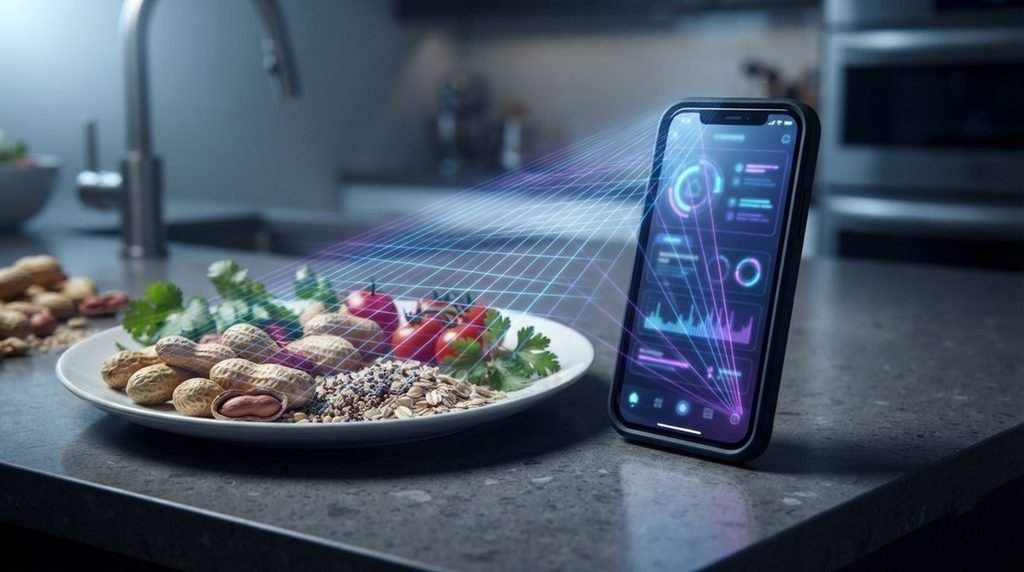
- For individuals with severe allergies to peanuts, shellfish, or gluten, these unverified automated recipes can quickly trigger life-threatening emergencies.
- Traditional one-pass algorithms lack an independent safety-checking mechanism to filter out hazardous ingredients before displaying the final cooking instructions.
🧠 How a Two-Brain Framework Creates Flawless Meals
- Researchers Shanhong Liu, Pai Chet Ng, and Konstantinos N. Plataniotis created a dual-agent framework called PCAR.
- The system utilizes a dedicated Planner Agent to analyze available food items and draft a foundational recipe outline.
- A separate Critic Agent instantly cross-references that draft against the user’s specific health metrics to verify safety compliance.
- If a hazardous ingredient is flagged, the system deploys automated remediation protocols to replace it with a healthy alternative.
🚀 The Dawn of Absolute Food Safety in Smart Kitchens
- This milestone method allows everyday households to instantly generate personalized meals tailored to their long-term wellness.
- The framework reduces risky ingredient recommendations by over 95% to set an elite benchmark for digital food safety.
- Future smart refrigerators and fitness applications will integrate this agentic system to protect users from dietary hazards.
- Health-conscious consumers across Western nations now gain a reliable digital shield against erratic, unverified automated meal curation.
My Take: This safety framework finally forces careless software to respect human biology, transforming algorithmic cooking from a risky dietary gamble into a genuinely dependable, health-first kitchen necessity.
❓ Reader Doubts: Core Questions Answered
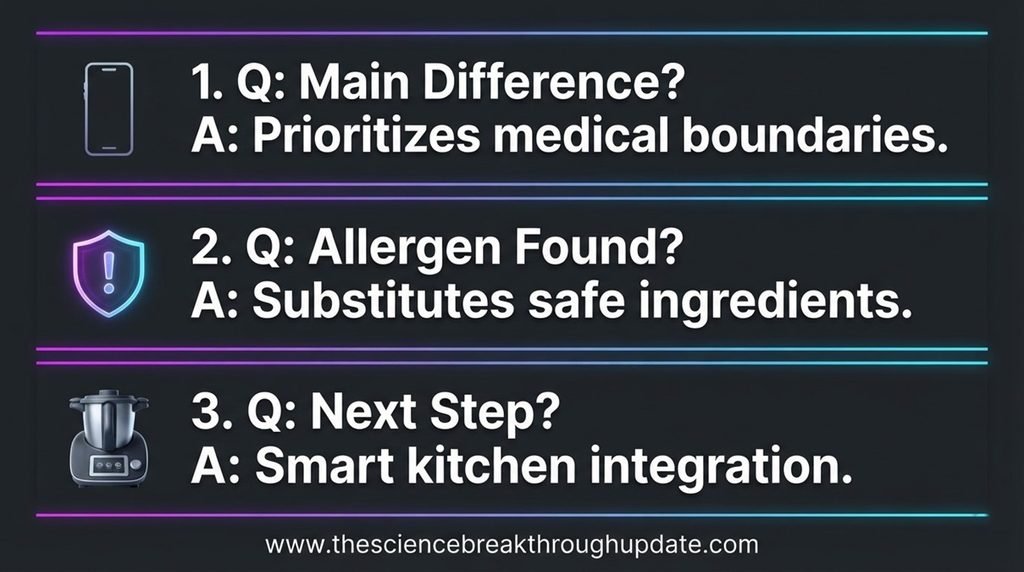
1. How does this new AI model differ from standard recipe generators?
Standard AI only focuses on visual appeal and general flavor profiles. This new architecture uses a dual-agent network to actively prioritize your medical boundaries alongside culinary tastes.
2. What happens if a recipe contains an ingredient that triggers my allergies?
The critic agent will instantly flag the dangerous ingredient during the drafting phase. It then triggers an automated correction module to substitute the allergen with a completely safe alternative.
3. When can everyday consumers expect to use this technology at home?
The researchers have successfully validated the core architecture in controlled laboratory environments. Tech companies will likely integrate this framework into commercial smart appliances and premium nutrition apps very soon.
Source Document Link: arXiv.org
Share this useful knowledge with your friends now!”
Disclaimer: The information on this website is for educational and informational purposes only and is not intended as medical advice. Always consult a qualified healthcare professional before making any medical decisions or changes to your treatment plan.