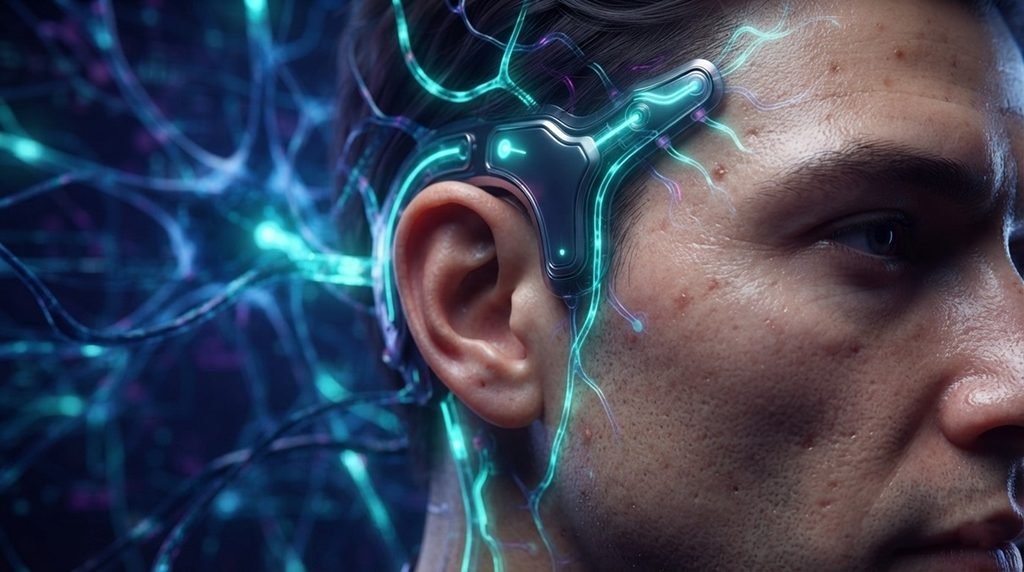
Imagine controlling your entire digital world using nothing but your thoughts while tech giants race to read your mind in real-time.
💡 Tech companies are moving fast to build seamless brain-computer interfaces that translate neural activity into digital commands. Recent breakthroughs in decoding complex neural evidence allow systems to adapt to changing human brain signals instantly, shifting how we interact with machines.
⚙️ This rapidly evolving tech promises to unlock hands-free computing for everyone, particularly individuals with severe motor impairments. However, turning this science fiction concept into a mainstream reality requires solving a major, hidden hurdle in how computers interpret our chaotic dynamic neural representations.
The Chaos of Tracking Changing Brain Signals
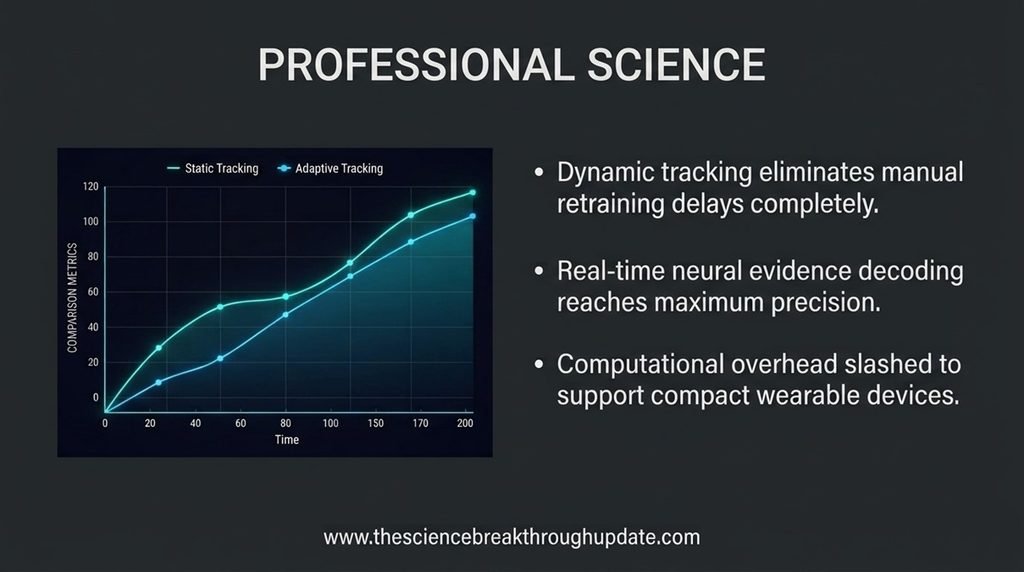
- 🛑 Traditional brain-computer setups fail because human neural signals shift constantly based on fatigue, mood, and daily distractions.
- 📈 Static algorithms cannot keep up with this dynamic neural evidence, causing the system to misinterpret basic user intentions.
- ⏳ Users often face frustrating calibration delays because older software requires hours of manual data retraining to stay accurate.
- ⚠️ This computational lag prevents seamless adoption, making real-time mind-controlled devices unreliable for critical, fast-paced daily tasks.
Building Adaptive Networks That Learn on the Fly
- 🧬 A research team led by Beining Cao developed a time-adaptive framework to solve this tracking issue.
- 🖥️ The system uses an advanced architecture to decode dynamic neural representations from the brain instantly.
- 🔄 This framework automatically adjusts to shifting brain states without requiring users to stop and recalibrate the software.
- 🎯 By continuously updating its learning parameters, the tech maintains an incredibly high decoding accuracy during extended use.
The Shift to True Mind-Controlled Computing
- 🚀 This adaptive method paves the way for commercial brain-computer interfaces that operate smoothly without constant technical glitches.
- ♿ People with physical disabilities gain immediate, reliable access to assistive tools, boosting their digital independence significantly.
- 🔋 The tech slashes computing overhead, allowing developers to pack powerful neural decoders into smaller, wearable consumer gadgets.
- 🧠 Fast, adaptive mind-reading systems bring us closer to a future where typing and clicking become completely obsolete.
My Take: This framework fixes the biggest real-world flaw in neural tech. By adjusting to our shifting brain patterns instantly, it turns clunky laboratory hardware into practical, life-changing consumer devices.
### Reader Doubts: Core Questions Answered
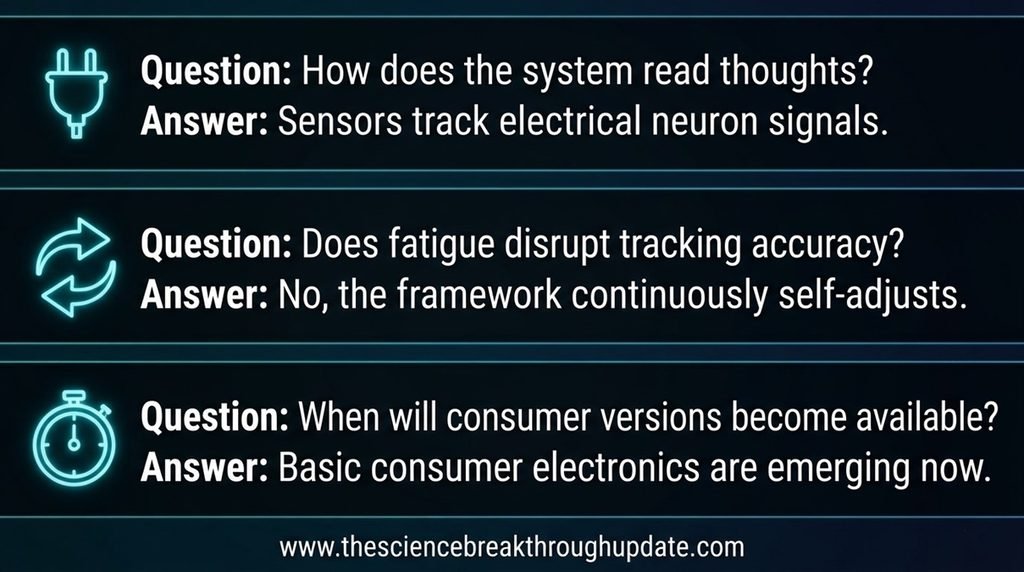
- How do brain-computer interfaces read human thoughts?
- 🔌 These systems use specialized sensors to detect tiny electrical signals generated by your neurons. Advanced algorithms then analyze these patterns and translate them into specific digital commands like moving a cursor.
- Will these adaptive systems work if I am tired or distracted?
- 🔄 Yes, that is the primary benefit of the new time-adaptive framework. The software constantly monitors shifts in your neural data and automatically updates itself to match your current brain state.
- When will everyday consumer versions of this tech become available?
- ⏱️ While advanced setups exist in research labs, basic consumer versions are entering the market now. Continued software optimization will help scale these devices into mainstream wearable electronics over the coming years.
News source link: arXiv.org
Share this useful knowledge with your friends now!”
Disclaimer: This content is based on preliminary scientific research (Preprints) from arXiv.org and current global findings. It is shared strictly for educational and informational purposes and does not constitute professional, legal. Readers are encouraged to verify facts independently and consult relevant experts before making any decisions.